Legacy software systems are still at the core of many enterprise environments today. They often power critical business processes, store valuable historical data, and support daily operations that organizations cannot afford to interrupt. However, while these systems may have been reliable in the past, they gradually become a liability as technology evolves and business requirements become more complex.
Software modernization is not simply a technical upgrade. It is a strategic decision that affects operational efficiency, security posture, scalability, and long-term business agility. The real challenge for many organizations is not whether legacy systems should be modernized, but when the right time for modernization actually is.
What Defines a Legacy System?
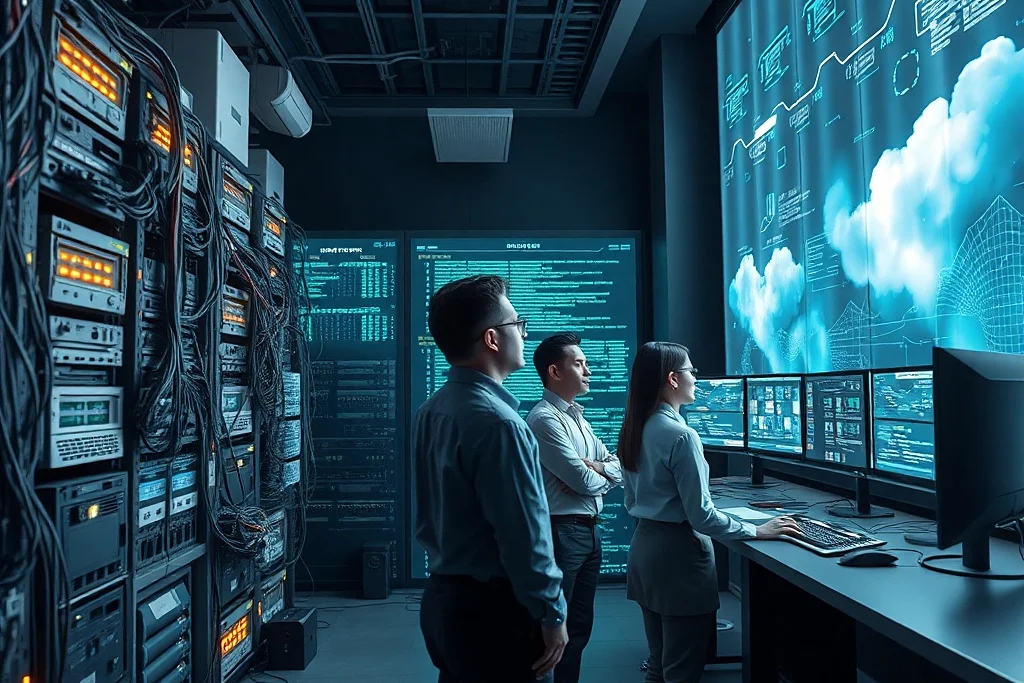
A legacy system is typically any outdated software or application that is still in use but built on older technologies, architectures, or frameworks. These systems may still function correctly, but they often suffer from limitations such as poor scalability, difficult maintenance, and incompatibility with modern tools and platforms.
In many cases, legacy systems were not designed with today’s requirements in mind. Cloud computing, mobile access, API-driven ecosystems, and real-time data processing were not priorities when these systems were originally developed. As a result, they often struggle to integrate with modern solutions.
Key Signs That Your Software Needs Modernization
Recognizing the right moment to modernize is critical. Waiting too long increases costs and operational risks, while acting too early may lead to unnecessary investment. Several clear indicators can help organizations identify when modernization should be considered.
1. Increasing Maintenance Costs
If a growing portion of your IT budget is being spent on maintaining existing systems rather than developing new capabilities, it is a strong signal that the software is no longer efficient. Legacy systems often require specialized knowledge that is harder to find, making maintenance more expensive over time.
2. Lack of Scalability
Modern businesses require systems that can scale quickly in response to increased demand. Legacy applications are often limited in their ability to handle higher workloads, leading to performance issues, downtime, or system failures during peak usage periods.
3. Integration Challenges
Today’s enterprise environments rely heavily on integration between systems through APIs and middleware. If your software struggles to communicate with other platforms such as CRM, ERP, or cloud services, it is a clear sign that modernization is needed.
4. Security Risks
Older systems are more vulnerable to security threats because they may no longer receive regular updates or patches. This exposes organizations to potential data breaches, compliance issues, and reputational damage.
5. Poor User Experience
Employee productivity and customer satisfaction are directly affected by the usability of your software. Legacy systems often have outdated interfaces and inefficient workflows that slow down operations and create frustration among users.
The Business Impact of Delaying Modernization
Delaying modernization may seem cost-effective in the short term, but it often leads to higher long-term expenses. As systems become more complex and fragile, even small changes can introduce significant risks. Technical debt accumulates, making future development slower and more expensive.
In addition, organizations that rely heavily on legacy systems may find themselves unable to respond quickly to market changes. Competitors with modern, flexible architectures can introduce new features faster, integrate emerging technologies more easily, and deliver better customer experiences.
Approaches to Legacy Software Modernization
There is no single approach to modernization. The right strategy depends on the existing system, business goals, and available resources. Common approaches include:
Rehosting (Lift and Shift)
This involves moving existing applications to a modern infrastructure, such as cloud platforms, without significant changes to the code. It is often the fastest approach but may not fully address underlying architectural issues.
Replatforming
Replatforming introduces minor modifications to optimize the application for a new environment. It balances speed and improvement by making targeted changes without completely rebuilding the system.
Refactoring
Refactoring involves restructuring and improving the existing codebase to make it more efficient and maintainable. This approach improves performance and scalability but requires more effort and technical expertise.
Rebuilding
In some cases, the best option is to completely rebuild the system using modern technologies and architectures. Although this requires the most investment, it provides the highest level of flexibility and long-term value.
Strategic Considerations Before Modernization
Before initiating a modernization project, organizations should carefully evaluate their business objectives, risk tolerance, and technical constraints. A thorough assessment of the existing system is essential to determine the most appropriate approach.
It is also important to involve both technical and business stakeholders in the decision-making process. Modernization is not just an IT initiative; it is a business transformation effort that impacts multiple departments.
Conclusion
Legacy software modernization is not a question of if, but when. The right timing depends on cost pressures, scalability needs, security requirements, and business goals. Organizations that proactively address outdated systems position themselves for greater agility, improved performance, and long-term competitiveness.
By choosing the right modernization strategy, businesses can transform legacy constraints into opportunities for innovation and growth.